
The short answer
Sometimes. Homeowners insurance covers some kinds of water damage — and flat-out excludes others. What matters most is how the water got in.
Dealing with water right now? Call (301) 679-9193 — drying fast protects your home and your claim.
Every policy is different. Talk to YOUR insurance company or agent about YOUR policy. This page is general information, not advice about your policy.
Usually covered: sudden and accidental
A standard homeowners policy (called an HO-3) usually covers water damage that happens suddenly and by accident:
- A pipe bursts and floods the kitchen.
- A water heater ruptures.
- A washing machine hose breaks and soaks the laundry room.
One catch: the policy usually pays for the damage the water caused — not the broken pipe or appliance itself. The Maryland Insurance Administration puts it plainly: the water damage is generally covered, but repairing or replacing the pipe itself is not.
Usually NOT covered
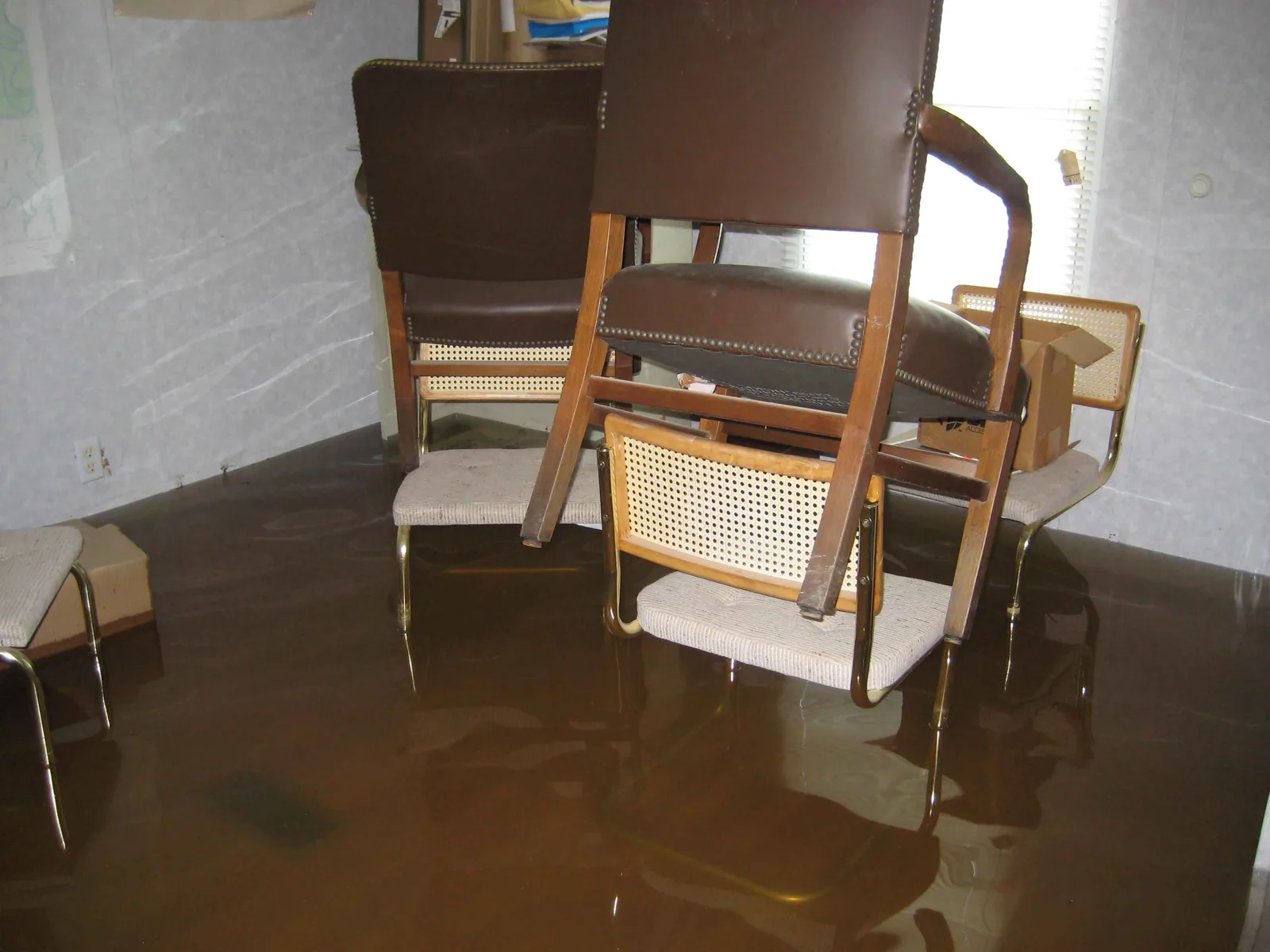
Flood — rising water from outside. Standard homeowners insurance does not cover flood. Not from a storm. Not from a creek. If a creek rises into your basement, that is flood — and it takes a separate flood insurance policy (through FEMA's National Flood Insurance Program) to be covered. New NFIP policies have a 30-day waiting period before coverage starts. You cannot buy it the week a storm is coming.
Slow leaks and neglect. A leak that dripped for months is a maintenance problem, not an accident. The Maryland Insurance Administration is blunt about this: a slow leak is generally not covered, no matter when you discovered it.
Sewer or drain backup. Water that backs up through your drains or sump pump is excluded from a standard policy. You need a separate water/sewer backup endorsement. Good news for Maryland homeowners: Maryland law requires your insurance company to offer you this coverage at your full dwelling coverage limits. Ask your agent if you have it.
Frozen pipes when you left the heat off. If a pipe bursts because you did not keep the heat on in winter, the claim may be denied.
Gray areas
Roof leaks. Rain coming through a roof that was properly installed and maintained is typically covered. Rain coming through a worn-out roof — or ground-level water pushing in through doors and windows — may not be. It depends on the details.
Mold. Mold that grows because of a covered sudden loss may be covered. Mold that was already there, mold from a long-term leak, or mold from a flood is generally not. And even when mold is covered, policies often cap what they pay for remediation. Dry things fast — mold can start within a day or two.
Why this matters in Southern Maryland
Charles County gets hurricanes and tropical storms. That makes the flood question critical here: wind-driven rain through a damaged roof and rising creek water are treated completely differently by insurers. One may be covered. The other needs a flood policy.
If your home sits near Mattawoman Creek, the Potomac, or low ground, talk to your agent about flood insurance before storm season. Remember the 30-day wait.
If you disagree with a claim decision, the Maryland Insurance Administration takes consumer complaints at 1-800-492-6116.
How to talk to your insurer: do this
- Say "sudden and accidental." Those are the words policies are written around.
- Photograph and video everything before you move or clean anything.
- Stop further damage. Shut off the water. Move belongings. Most policies require you to prevent more damage — and fast drying now can only help your claim.
- Call promptly and get a claim number.
- Keep every receipt for emergency repairs.
- Get everything in writing — especially any denial.
- Ask three questions: Is this replacement cost or actual cash value? What is my deductible? Does my policy cover additional living expenses if I cannot stay here?
Do NOT do this
- Do not say "flood" unless the water was actually rising groundwater. In insurance, "flood" has a specific meaning — and it is excluded.
- Do not say you knew about the leak for months. That turns an accident into a maintenance problem.
- Do not throw damaged items away before they are photographed and documented.
- Do not start permanent repairs before the adjuster has seen the damage. Emergency drying is fine — rebuilding is not.
- Do not cash a settlement check without confirming in writing that it does not close your claim.
Sources
- Insurance Information Institute — flood insurance facts
- Insurance Information Institute — homeowners insurance statistics
- Maryland Insurance Administration — homeowners insurance disclosure notice (PDF)
- Maryland Insurance Administration — insurance preparedness for natural disasters
- National Flood Insurance Program (FEMA) — floodsmart.gov
One more time: every policy is different. Talk to YOUR insurance company or agent. This page explains the general rules — it is not advice about your policy.